






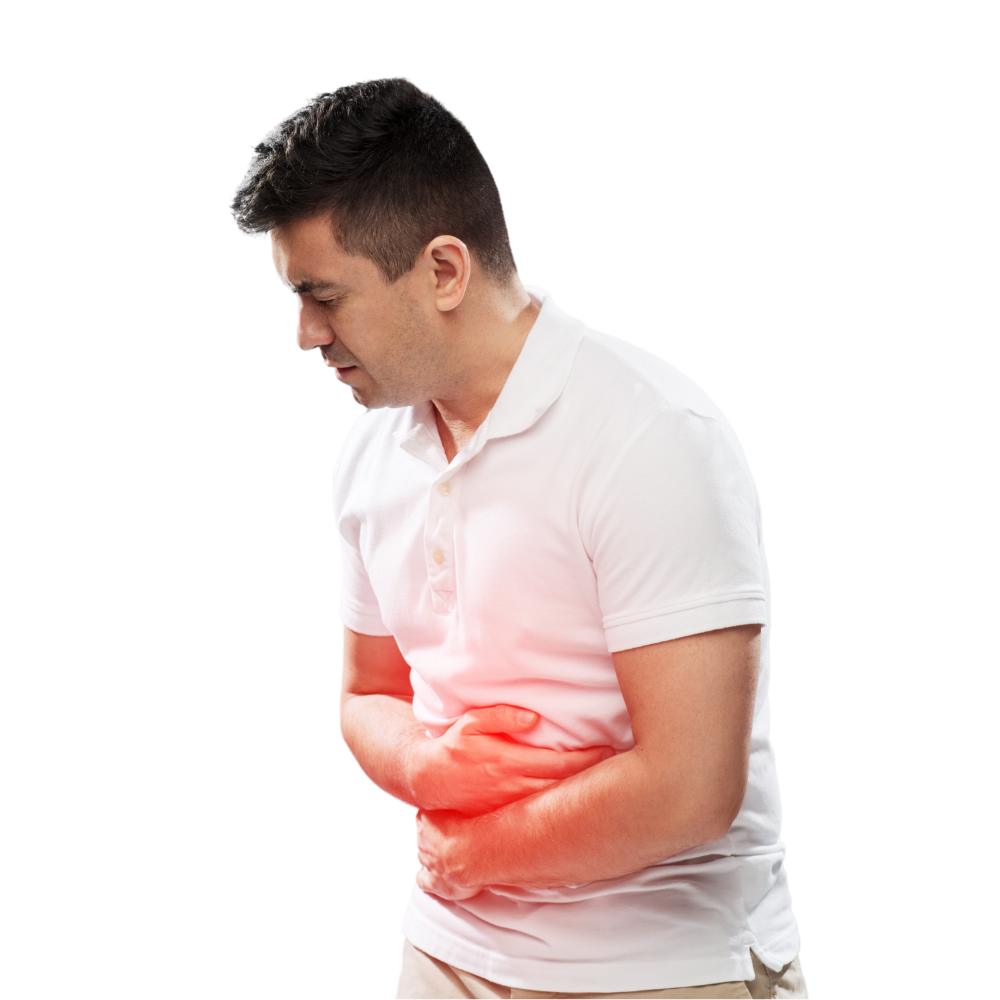















Did you know that there is a link between gut health and cholesterol levels?
The health of your gut plays an important role in your overall wellbeing. It turns out that there is also an interesting connection between gut health and cholesterol levels.
In this episode, I talk about the following points:
- What is cholesterol?
- The link between gut health and cholesterol
- Bile acid
- Intestinal bacteria Butyrate
- Intestinal barrier
- Excretion
- Lifestyle measures to promote healthy gut health and cholesterol levels
- Products that can support you
What is cholesterol?
Everyone thinks of cholesterol as something negative, but it is actually a very important substance in the body!
Cholesterol is a fat-like substance that plays an important role in the body. It is produced by the liver and is found in many foods. Cholesterol is responsible for the formation of hormones, vitamin D and bile acids and plays an important role in metabolism.
So you see, cholesterol is not just bad and should not be lowered at all costs. In addition to cholesterol, it is also important to look at the blood lipid value triglycerides and the inflammation value CRP Ultrasensitive.
Link between gut health and cholesterol
A healthy gut microbiota with a variety of beneficial microbes is important anyway, because positive effects are usually stronger when a mixture of different types and strains of bacteria are present.
Bile acids
It is interesting to note that the composition of the gut microbiota can have an impact on cholesterol levels. Certain types of microorganisms in the gut are able to convert bile acids, which in turn play an important role in the absorption of cholesterol.
Some microorganisms can convert bile acids into so-called secondary bile acids, which reduce the absorption of cholesterol in the intestine. This lowers the cholesterol level in the body.
Butyrate
Certain intestinal bacteria can also produce short-chain fatty acids, such as butyrate. These fatty acids have been shown to influence cholesterol metabolism. They can influence the expression of genes which are responsible for the breakdown of cholesterol in the body and thus contribute to a reduction in cholesterol levels.
Intestinal barrier
Another way in which intestinal health can influence cholesterol levels is that a disturbed intestinal barrier can lead to increased absorption of cholesterol. An intact intestinal barrier ensures that only certain substances enter the body, while others are retained. However, if the intestinal barrier is damaged, toxins and unwanted substances, including cholesterol, can enter the bloodstream and increase cholesterol levels.
Excretion
Apparently, there are also bacteria that can absorb cholesterol and incorporate it into their own cell surface. The bound cholesterol is then excreted naturally.
Something similar happens with dietary fiber, which I'll get to in a moment.
Lifestyle measures to promote healthy gut health and cholesterol levels
Avoid sugar! Too much sugar leads to inflammation in the metabolism and also increases blood lipid levels, as insulin converts sugar into fat. I also recommend the last 2 podcast episodes, where I talk a lot about sugar.
A high-fiber diet: Fiber is important for healthy gut function and can help maintain a diverse gut microbiota. Foods like legumes, fruits and vegetables are good sources of fiber. Oatmeal is also said to work very well in terms of binding cholesterol.
Foods with resistant starch such as cold potatoes or with soluble prebiotic fiber such as artichokes, chicory, Jerusalem artichokes, leeks, onions and garlic are also particularly recommended.
Foods that contain lactic acid bacteria such as yogurt, sauerkraut, kimchi or kombucha. Make sure that the food is of raw quality, i.e. not pasteurized, as the valuable bacteria are destroyed by the heat.
Sufficient fluids: Adequate fluid intake supports digestion and bowel movements, which contributes to intestinal health.
Regular physical activity promotes intestinal motility and can help maintain healthy bowel function.
Avoid smoking and excessive alcohol consumption as they can affect gut health and increase cholesterol levels.
And finally, something that many people don't immediately think about when it comes to cholesterol and gut health: stress!
Stress messengers stimulate the body to draw more energy from its stores in the form of fatty acids and glucose. In order to process these nutrients, the liver has to produce more LDL cholesterol. In addition, stress increases the permeability of the intestinal mucosa, allowing more dietary cholesterol to enter the body.
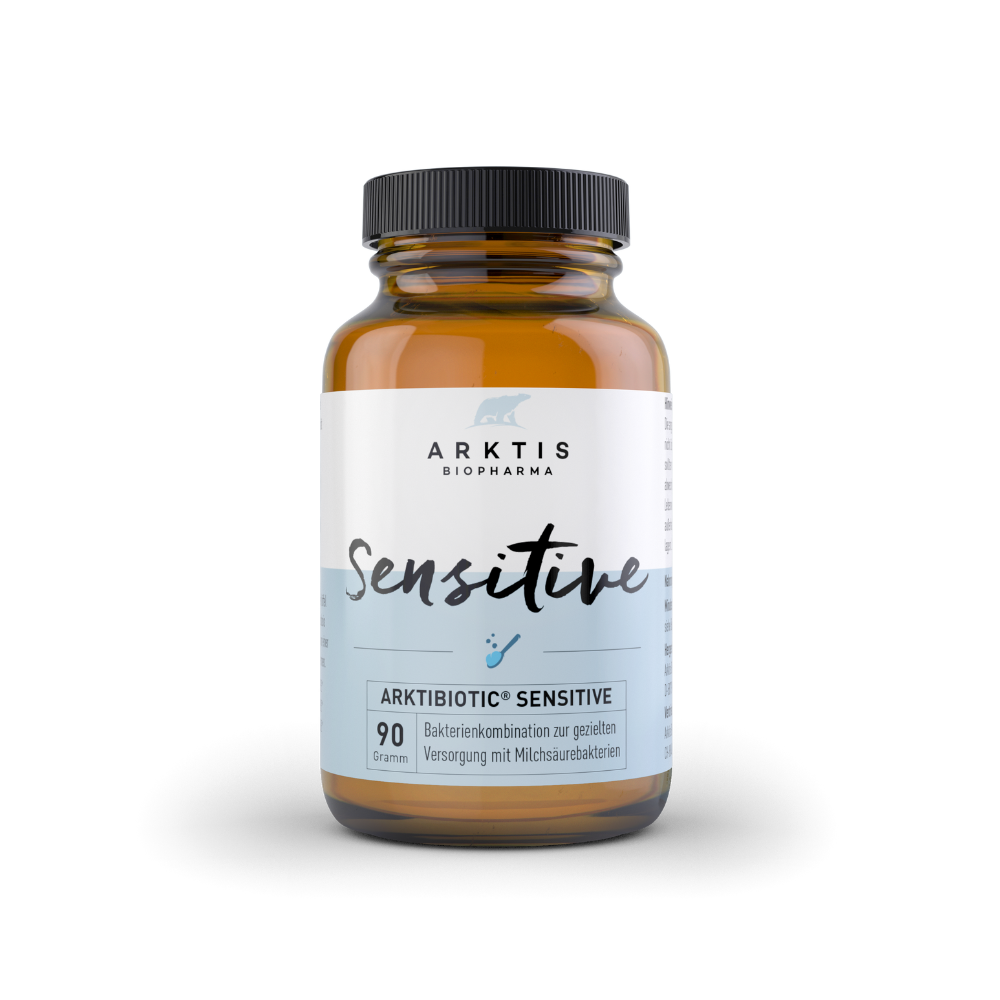
Various Lactobacillus and Bifidobacteria, such as Lactobacillus plantarum or Bifidobacterium longum, as found in ourAktibiotic Premium are present, or Lactobacillus reuteri, which is a component ofArktibiotic Sensitive.
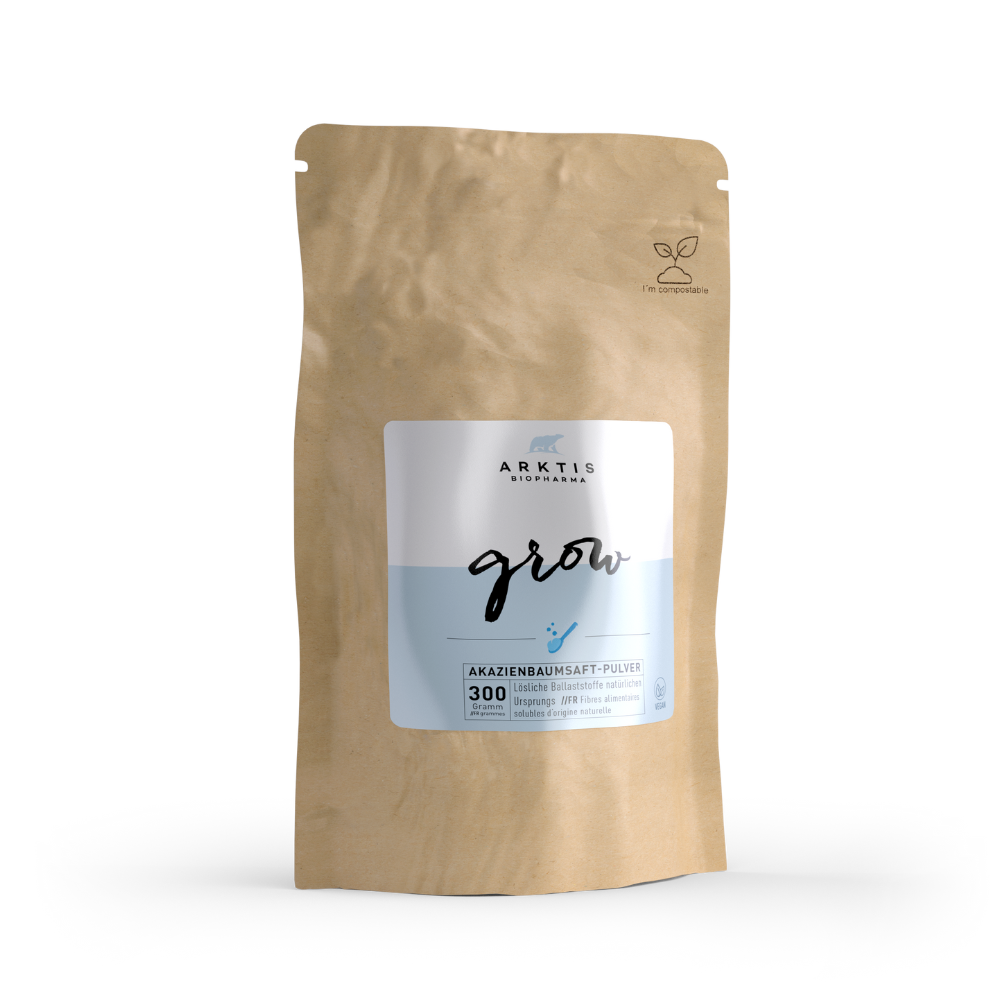
To support the production of short-chain fatty acids by bacteria, it makes sense to take prebiotic bacteria in the form of acacia fibers.Arktibiotic Grow, which consists of 100 % acacia fibers, is a good choice here. Fiber also helps to bind cholesterol and excrete it in the stool.
Omega-3 fish oil capsules help to lower triglycerides in the body and reduce inflammation, thus helping to create a more balanced ratio of fatty acids in the body.
The links to the products in our store can be found below under "Links".
LINKS
Aktibiotic Premium
Arktibiotic Sensitive
Arktibiotic Grow
Omega-3 fish oil capsules
As a podcast listener:in you will receive a discount on our products
15% discount on your first purchase (applicable once, only on products not already discounted)Enter the coupon code podcast15 before completing your order.
https://arktisbiopharma.ch/shop
Subscribe to the Darmglück podcast
Don't want to miss any future episodes? Then subscribe to the Darmglück podcast in your favorite podcast app. Here are the links to my podcast in the most popular apps: