




















Learn the difference between probiotics and prebiotics
Do you know the difference between prebiotics and probiotics? This is actually a question I've been asked a lot. And I'm answering this question in today's episode.A little side note, because I keep noticing that people say it wrong. When people talk about probiotics and prebiotics in the singular, they mean probiotic and prebiotic. So not probiotics, but probiotics. Only if there are several probiotics is it called probiotics.
Today we are looking at an important topic that often leads to confusion - the difference between probiotics and prebiotics. Both are key components of healthy gut flora, but they play different roles in our digestive system.
The basics of gut health
Your gut isn't just important for digestion, it's also a key element of your immune system. A healthy gut flora is crucial for our general well-being.Gut flora is made up of billions of microorganisms, including bacteria, viruses and fungi, that live in our digestive tract. A balanced ratio of these microorganisms is crucial for gut health.
What are probiotics?
Probiotics are live microorganisms, usually bacteria or yeasts, that provide health benefits when taken in appropriate amounts.They support gut health by promoting the balance of intestinal flora and helping to suppress harmful bacteria.
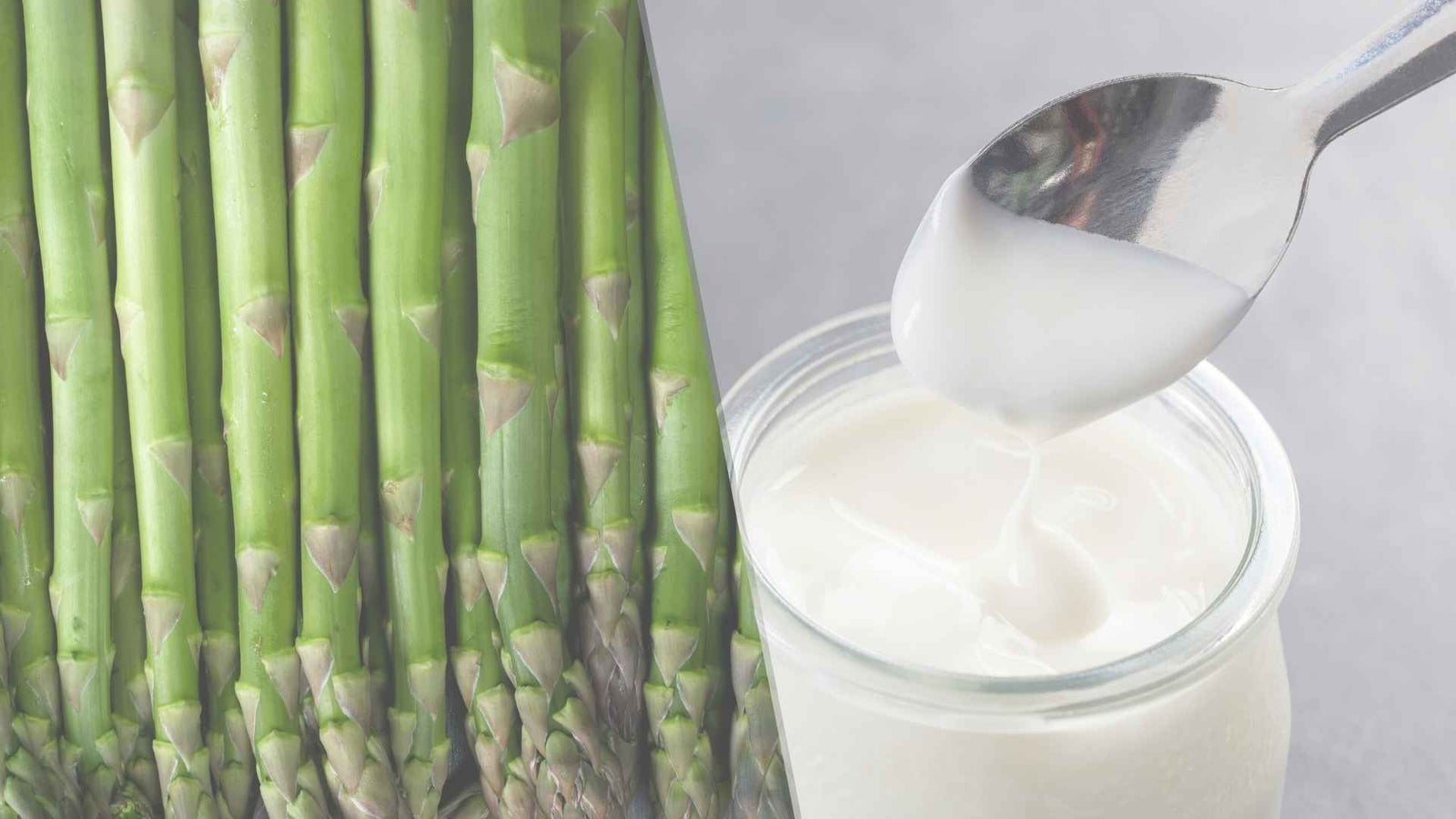
Common probiotics include Lactobacillus and Bifidobacterium, which are found in yogurt, kefir and other fermented foods.
What are prebiotics?
Prebiotics are not living organisms, but food components that cannot be digested by our body and serve as food for the good bacteria in our gut.They stimulate the growth and activity of certain healthy bacteria in the gut.
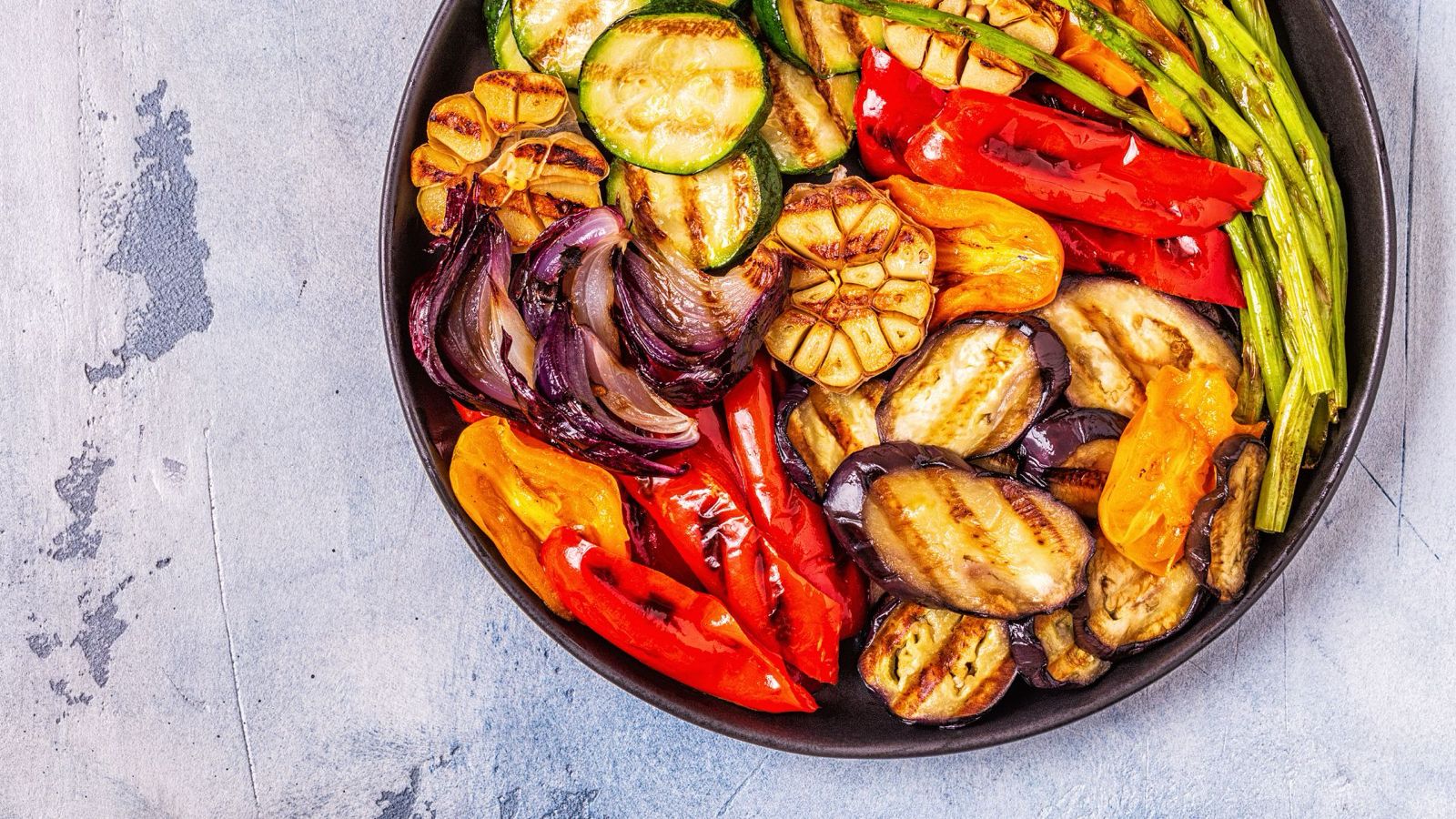
Prebiotics are found in foods such as garlic, onions, leeks, asparagus and bananas.
What makes prebiotics so special?
The good gut bacteria often get all the limelight when it comes to gut flora, so today I want to shine the spotlight on prebiotics!In addition to stimulating the growth and activity of healthy bacteria in the gut, prebiotics have many other health benefits and effects:
Improving gut health
Prebiotics can help to strengthen the intestinal barrier function and reduce the risk of intestinal diseases such as irritable bowel syndrome (IBS) and inflammatory bowel disease. reduce.Supporting the immune system
Healthy gut flora, which is promoted by prebiotics, plays an essential role in maintaining a strong immune system. This can help to reduce overall susceptibility to disease.Improving the absorption of nutrients
Healthy gut flora, supported by prebiotics, can improve the efficiency of nutrient absorption, including better absorption of minerals such as calcium and magnesium.Regulation of blood sugar levels
Some prebiotics can help stabilize blood sugar levels and reduce the risk of type 2 diabetes.Promotion of weight management
Prebiotics can increase satiety and reduce appetite, which can contribute to natural weight management.Reduction of inflammation
Prebiotics can reduce inflammatory processes in the body, which can be particularly beneficial for chronic inflammatory conditions.Cardiovascular health
Some studies suggest that prebiotics may help reduce risk factors for cardiovascular disease, such as by reducing cholesterol levels.Improving mental health
Due to the connection between the gut and brain (gut-brain axis), prebiotics can also have a positive impact on mental health, helping to alleviate stress, anxiety and depression.Promotion of bone health
By improving mineral absorption, especially of calcium, prebiotics can help strengthen bones and reduce the risk of osteoporosis.The synergistic effect
Probiotics and prebiotics work hand in hand. Prebiotics nourish the good bacteria, and probiotics add more of them to the gut.This synergy is crucial for a healthy gut flora and therefore for our immune system and overall health.
Why don't we mix the two in one product? Because of the residual moisture of the fiber, which would activate the bacteria!
Practical tips
Regularly incorporate prebiotic foods into your diet
- ChicoryContains inulin, a type of prebiotic that promotes the growth of beneficial bacteria in the gut
- Jerusalem artichoke (Jerusalem artichoke): Also rich in inulin and known for its prebiotic properties
- SpeltThis ancient grain contains prebiotic fibers that support intestinal health
- OatsOats are a good source of beta-glucan, a prebiotic fiber
- Bananas
- ApplesApples contain pectin, a soluble fiber that acts as a prebiotic
- GarlicA popular prebiotic food that is rich in inulin and other prebiotic compounds
- OnionsThey contain both inulin and fructan, two effective prebiotic fibers
- Flax seedsThese seeds are rich in prebiotic fibers and can support intestinal health
- BarleyAnother grain that is rich in beta-glucans and offers prebiotic benefits
However, start slowly if you have bloating
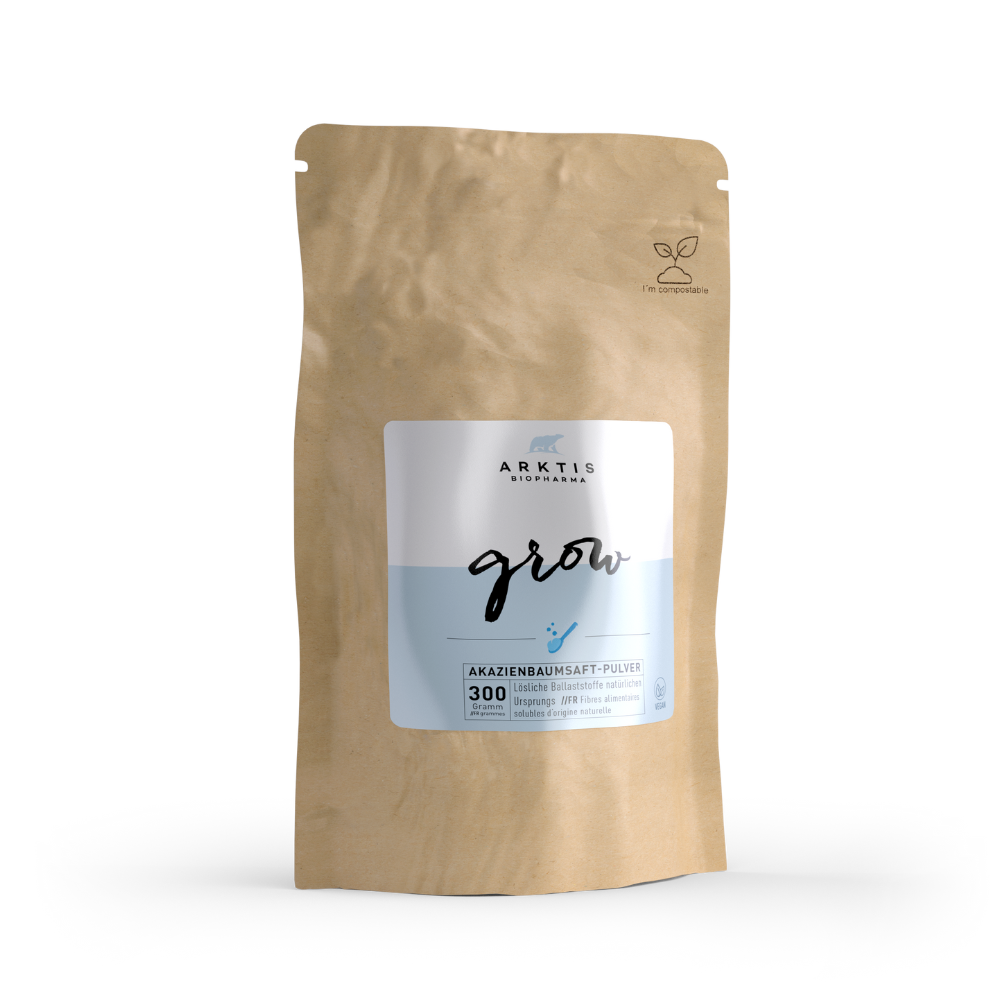
Inulin in particular can cause bloating in many people. Bananas are not ideal with histamine, and apples can cause problems because of the fructose. That's why we like to use acacia fibers like in our Grow and 2-fucosyllactose like in Feed.Fermented foods
They contain probiotic bacteria. If you can tolerate them, you should eat them dailyFor prolonged complaints or histamine intolerance
However, if you also react to fermented foods, eating probiotic foods is problematicFood supplements
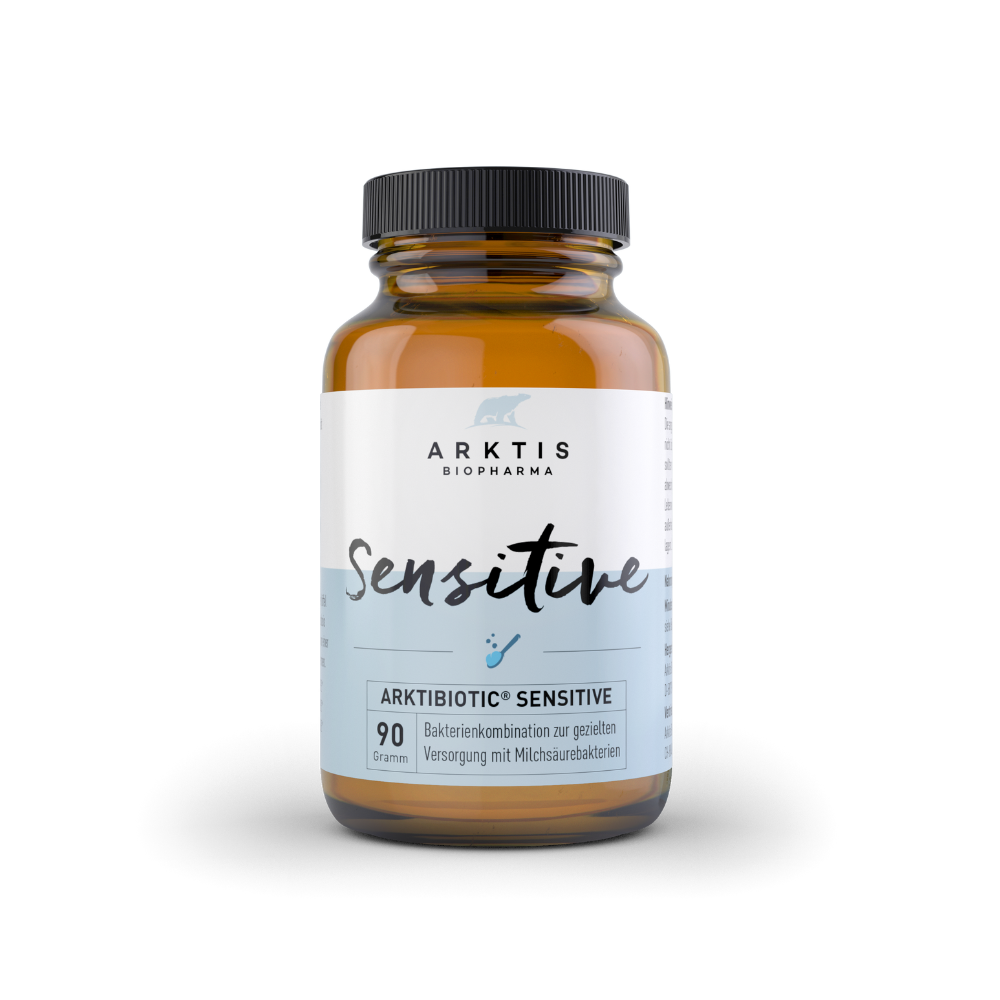
Can be an option, but it is important to seek advice from a gut expert beforehand.The probiotics from Arktis BioPharma are: Sensitive, Select, Premium, Compens, Start, Acute, Relief and Herbal
Our prebiotics
We have "only" two prebiotics, these areare Grow Acacia Fiber and Feed 2'Fucosyllactose. You can take them individually or combine them if you suffer from irritable bowel syndrome or SIBO!Summary
In general, you can simply remember that probiotics are living microorganisms that positively influence your intestinal flora, while prebiotics are dietary fibers, which in turn are the food for these good bacteria. But as you've also heard, there's a lot more to prebiotics to keep you healthy.Your gut needs both to keep its microbiome in good balance
I hope this episode has helped you to better understand the difference between probiotics and prebiotics.
If you would like to try the effect yourself, I can generally recommend the combination ofherbal with >Grow. If you have specific problems or complaints and live in Switzerland, please give us a call or send an email topost@arktisbiopoharma.ch and describe your symptoms. We will then be happy to contact you and help you choose the right products.
LINKS
Podcast episode: Why I prefer acacia fiber to insulin and what else you need to know about prebioticsHerbal
Grow
Feed
ProShop for therapists
https://proshop.arktisbiopharma.chAs a podcast listener, you will receive a discount on our products
A 15% discount on your first purchase (applicable once, only on products not already discounted)Enter the voucher code podcast15 before completing your order.
https://shop.arktisbiopharma.ch
Subscribe to the Darmglück podcast
You don't want to miss an episode in the future? Then subscribe to the Darmglück podcast in your favorite podcast app. Here are the links to my podcast in the most popular apps: