





















[g_podcast id="14636192"]
Hello and welcome to a new episodeof the "Darmglück"podcast. Today's topic is sugar. I have already written and spoken a lot about sugar. You can find all the links to existing articles andpodcast episodes below this post.
Sugar is a topic that I used to talk about a lot.Recently, this hasperhaps becomea little less, not least because my focus has changed. Nevertheless, I still get questions about sugar and I would liketo address them again.
Specifically, there are two questions that I have received:
I would like to addressthese twoquestions today and talk about them,
Sugaralready hassome harmful effects if you eat too much of it. We are geneticallyprogrammedto eat 30 grams of sugar a day.The body can actually cope with these 30 grams.To illustrate this: 1tablespoon of sugar isabout 10 grams.
There are also about 10 grams in an apple. This surprises many people. Our fruit has also been bredto besweet. In the past,many types of fruit were much more sour thanthey aretoday.So an applealready has10 grams of sugar,which meansthat with three apples you have already reachedyour daily requirement orthe amount your body canhandle. This is sometimes reached faster than you think.
On the one hand, sugar is something that causes inflammation in the bodyor inflammatory processes can promote.All the diseases of civilization that we know today have an inflammatory character, so things like hay fever, for example, or highcholesterol or joint problems etc. all have to do with inflammation or are associated with inflammation. This means that if we want to be healthy, it definitely makes sense to reduce inflammation in the body as much as possible and therefore not to eat too much sugar.
Sugar weakens ourimmune systemand I don't think I need to explain to you in this day and age why a well-functioning immune system isincredibly important for your quality of life and to stay healthy.
Metabolizingsugar requires morenutrients, for exampleminerals.This means that if you are high in sugar,youcanalso suffer fromvitamin and mineral deficiencies. mineral deficiencies.This is another reason why it is very, very important to avoid sugar as much as possible.
Sugar has the effect of building up fat in the body and interrupting the breakdown offat. Whenever you eat sugar, the body produces insulin because insulin is needed to get the sugar from the blood into the body cells. Sugar gives us energy,which meansthat we don't need the sugar in the blood, of course, but in the cell, and insulin is responsible for this. Insulin increases fat storage and reduces fat loss. Thismeansthat a lot of sugar leads toobesity - not because of the calories, but because of the insulin effect - and canalso lead to increasedfat deposits on the organs organs,suchasin the case offatty liver. It used to besaidthat only people who drink a lot of alcohol get fatty liver. Today, however, we see that many people have anon-alcoholic fatty liver or even fat in other organs, such as the heart.
Ultimately, sugar is also not good for the gut. Sugar increases thepH value in the intestinewhich means it makes the gut more alkaline than it should be, and then of course digestion doesn't really work well. It also encourages things like fungi,Candida for example, and therefore sugar is not reallyhelpful for the gut.
These are a few reasons why you might want to avoid sugar.
I said thatone of the possible consequences is that theimmune system is driven down. So you may notice that you are consuming too much sugar becauseyour immune system is not working properly, that you feel very slightlycold, things like that.
Tiredness is definitely also a sign of too much sugar, especially if you sufferfrommidday tiredness or tiredness after eating.If you get tired 1-2 hours after eating, it may be because youhave eaten thingsthat havecausedyour sugar levels toshootup too quickly. When the sugar drops again, you feel tired.Andwhat do you particularly crave then? Somethingsweetagain to giveyou energy.This hunger forsweetsis often a sign that you are actually eatingtoo much. I'll talk more about how to get away from thislater.
Then, of course, there are elevated blood lipids. If you have high cholesterol, hightriglycerides, things like that,you could check whether you might beeating too much sugar, too muchsweetness, too much fruit and then reduceit accordingly to these30 grams per day. I'm not saying you have to cut it out completely.30 grams works quite well.If it's more one day, that's not an issue either, but in general justthink of these 30 gramsas a rule of thumb.
Another sign that you're eating too much sugar is whenthe fat- as I said, fat storage is encouraged - shows up, especially on your stomach.This typical accentuatedbelly fat is a sign of high insulin levels, usually triggered by too much sugar.
Hunger forsweet data-contrast="auto">I already mentioned it. In general this heatsshungerthis feeling:"I have to eat something right now, otherwise I'll pass out",you know that from certain commercialswhere a person becomes a diva if they don't get anything to eat. This combination of being hungry and angry or annoyed is definitely a sign of hypoglycaemia. Hypoglycemia only occurs if you have eaten too much sugar beforehand.
Bowel problems are another sign that youshould think about sugar.
If you want to know more precisely whether you already have a certain dependence on sugar or a kind ofsugar addiction addiction: I have a sugar quiz on my website.All you have to do is enter your e-mail address. You willthenbe addedto my e-mail list and receive further information and tips on how to reduce sugar. Just take the test.It's quick to do and may also give you a little insightinto your"sugar addiction"from theoutside.
So much for the signs.
Many people say: "Fruit is definitely healthy and Ishould eat as much of it as possible".You also often see people thinking that juices or fruitsmoothies are so incredibly healthy.As I said, if an apple already has 10 grams of sugar and you make a juice, for examplethisfamous orange juice for breakfast, yes, how many oranges are in there? That's probably four or five oranges, even if you squeeze them yourself.Butyouwould never eat five oranges at once.But you would drink them. There really is a lot of sugar in them.
Even though it may be"healthier" sugar from fruit,the effect is the same: The sugar raises your blood sugar levels, increases your insulin and all the consequences that come afterwards. Thisalso includes more cortisol, i.e. more stress hormones, for example. You also have this effect if it is a"healthy" fruit juice.
Juicedoesn't even contain more fiber. The sugar isthenabsorbed into the blood very, very quickly. In liquid form, the fruitis not chewed or digested, but goes straight into the bloodstream.This also applies to spritzers, for example, the famous apple juice spritzer that many people like to drink in summer. Just take a look at how much apple juice you drink throughout the day. Especially if youdrink it between meals. Then you'll have a constantly high sugar level, a constantly high insulin level, and that totally messes up your metabolism. Ireally wouldn 't recommend that.
Alsosmoothies: When theyhear "smoothie",many people think of fruit and notnecessarilyof these greensmoothies, which consist mainly of vegetables. With a fruitsmoothie, you get a lot of sugar very, very quickly.
With the question I received wasabout xylitol and gut health. In other words, someone is thinking about howhe or she can replace sugar andwhat healthier alternatives there are.
Xylitol,also knownas "birch sugar", is a very popular sugar substitute, but canalso have a laxative effect inlargequantities. Xylitol can upset the intestinal flora, can lead to flatulence and that's why Idon't findit so beneficial.
The thing is, too:It sounds verynatural - birch sugar - but it takes chemical processes to produce this birch sugar. After all, it turns into awhitepowder. It is therefore relatively highly processedand Iwould no longer describe it as natural. That's why I don't necessarily recommend xylitol.
The advantage of xylitol is that it can be quite beneficial for dental health. Chewing gum with xylitol can be an option when you're out and about and can't brush your teeth. You cantake a chewing gum like this after a meal, but it doesn't really contain much xylitol.
Basically, I would like to take a critical look at this question - "How can I replace sugar?" - a little more critically:What do you need the sugar for? Why does it have to tastesweet?
We are naturally programmed, they say, to the taste of "sweet", and we also associate sweetem with comfort, reward, such things. I would like to invite you to take a closer look at this. You can put a piece of paper by your side - whether at work or in your handbag -on which you can write down the following during the course of the day when youget thatsweet tooth: What just happened? What was I just thinking about? Who might I have just been annoyed with? What do I need a motivational injection for right now?Or:Have I done something well and now I want to reward myself?
So, really observe when this hunger forsweets comes up, wwhydoes it come? What are the thoughts that resonate or are behind it? How can you achieve the feeling that you actually crave? It's not really about thesweetness, it's about the distraction, the reward, the comfort. How else can you get this feeling without having to eat or drink something?
Now, if the reason you are hungry forsweetsis because you have a drop in energy,I would alsorecommend taking a good look atthis:What are your eating habits and how can you change those habits so that you don't have to rely on quick sugars?
Fatis a very good source of energy.If you change your diet accordingly - as I always recommend in my other podcasts: less sugar, fewer fast carbohydrates and more vegetables, more high-qualityproteinsand a good source of fat - then you won't need that sugar to give you energy. Our body is perfectly capable ofgetting by without it- all day long, by the way,as anyone who has ever fasted knows.You can go a whole day without food, without sugar, and still have a lot of energy. We don't actually need sugar as an energy boost. If you need it for that, then you are completely burning sugar.I would recommend that you take appropriatemeasuresto get away from it. to get away again.
It's about actually taking a look: What doessweetnessgive me? Which feeling, which emotion, which trigger is being served?Write it down once and then look: How can I replace it with something else?Then you won'tneeda sugar substituteany more.
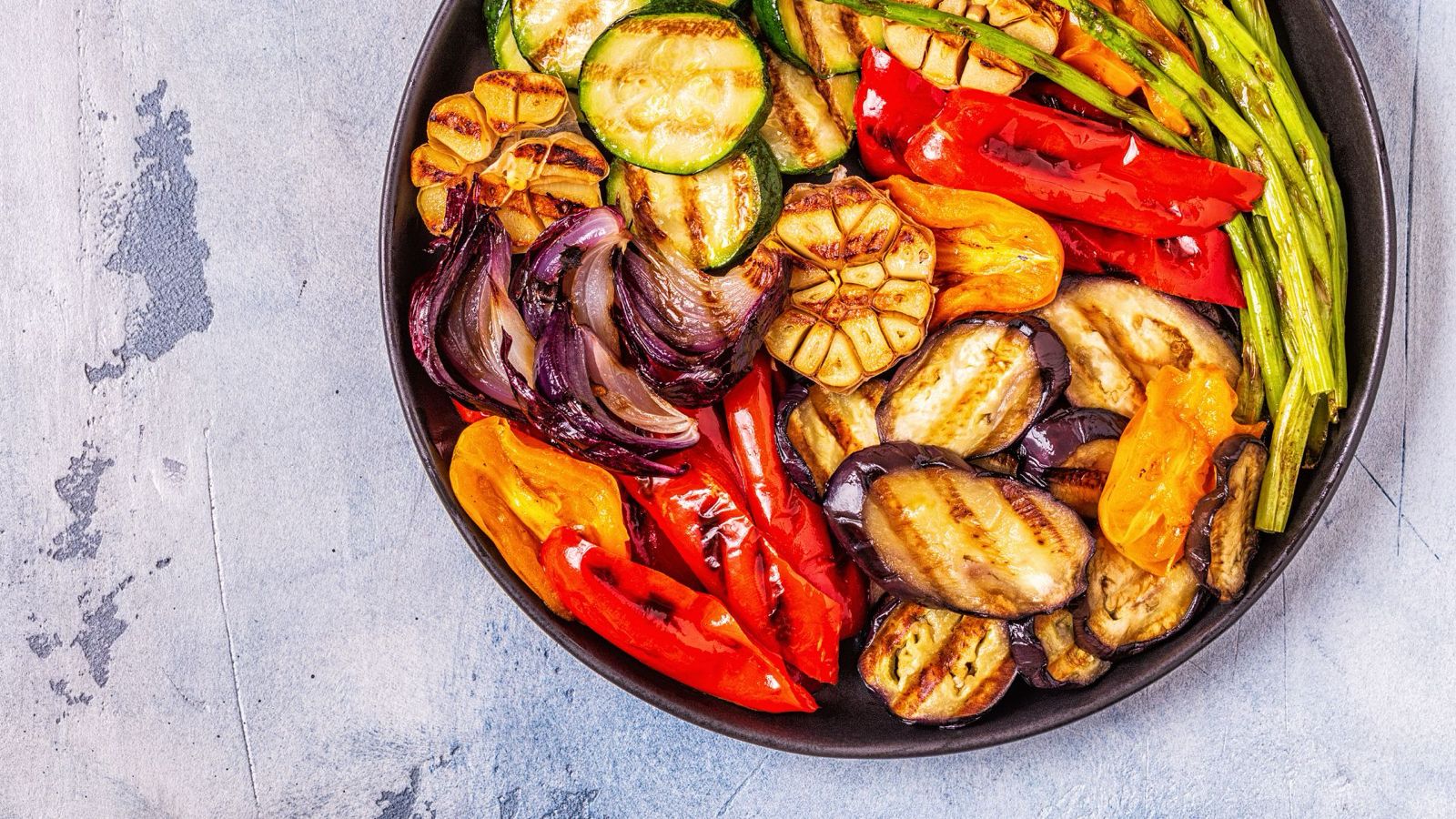
By the way, taste can also be trained.This means thatthe less sugar you eat, the less you will craveit and the more you will notice howsweet certain foods taste and discoverthe taste of the food itself.You will notice that many things tasteverysweet,such as almonds or almond paste. This is something youcan use to addsweetnessto a meal. Then baked vegetables: anything you bake in the oven tastes slightlysweet very quickly, especially if it's root vegetables like carrots or celery, things like that. You can also usesweetpotatoesif you reallywantsomething a littlesweeter. There are many ways toaddsweetnessto food withoutusingsugar.
Then there are certain spices that alsosuggestsweetness, such as vanilla,cinnamon or cardamom. These are all things that can help yougetthat sweettasteinto a dish without having to use sugar. There are also certain teas,for example withsweetwood or vanilla in them. I would look out for those, that are natural flavors, i.e. real vanilla and real cinnamon and not vanilla or cinnamon flavoring.
I would like to talkabout two"sweeteners" that I am often asked about, the first of which isstevia. In my opinion,stevia is not really useful either, unless you use the actual leaf. Anything that doesn't come in leaf form - stevia drops orstevia tablets, for example- has nothing to do with"natural". People always say:"Stevia is natural. You can use it." But at the end of the day, getting awhiteliquid out of a green leaf requires a lot of chemical steps.For me, it's a purely chemical product.It no longer has much to do with nature, which is why I don't necessarily think it makes sense.
I saidearlier that taste can be trained, and if youeat lesssweets, you will have less desire forsweets.But if you constantly consumesweeteners- whether they're natural or artificial - you're not doing anything totrainyourselfout ofthat sugar taste.It really is a kind of addiction - to put it bluntly.If you want to get away from it, it's not helpful if youaddartificialsweetenersinstead. And the body is not stupid. It does taste"sweet data-contrast="auto">ss", but then gets no sugar. It can very well be the case that it makes you crave real sugar, only to get it after all.It also often leads to people thinking:"I' veusedsweetener now, so I might as well eat something with sugar in it, because I've saved on the other stuff." And you end up eating more than youactually wanted. So much forstevia.
Another thing I'm often asked about isagave syrupbecauseit is also touted as being very healthy, especially in vegetarian/vegan circles. The problem with agave is that it contains a lot of fructose. Fructose is something that goes straight to the liver and also contributes to this non-alcoholic fatty liver,because around 90 percent of agavesyrup is fructose, which is why I would really recommend agaveat all not recommend at all.
If you reallywantsomethingsweetand - to be honest, I also eat somethingsweetfrom time to time- then I would actually use normalhousehold sugar I would recommend. You don't need much of it.Especially if you don't eat a lot ofsweetsanymore, very little sugar has a verysweeteningeffect.
Something elsethat I also like to use ismaple syrup. Because, they say, it contains minerals and above all: E sis in liquid form.For example,when I make my own chocolate - I also have a recipe for this on the blog -or a crunchy muesli, liquid sugar isa good choice. The ice cream recipe on my blog,the cucumber and mint ice cream, also contains maple syrup. Becauseit is already liquid,it is very good to use.And it also contains certain minerals.
Also in thehoney by the way.With honey, it is very, very important thatit isofgood qualityandthat it has been processed cold. For example, honey contains mineralsand substances that are good for the immune system. It is even said to contain prebiotics, i.e. fibers for the good bacteria. So honey is definitely something you can use sometimes, but not that highly processed liquid honey in a plastic tube. That's not what I'm talking about, it really has to be high-quality honey from a beekeeper who works well, without antibiotics and without sugar water and things like that. So you should really check where the honey comes from,whether it's organic and so on.You should perhaps talk to the producer directly.
What I don't really want to talk about, because it's so clear that it's not healthy, are of course artificialsweeteners, for example zero drinks orsimilar. These are still super-popularwith many people , eventhose who eat"healthily " data-contrast="auto">. The then drink zero drinks. This is not beneficial at all.They actually mess up your intestinal flora and also your body signals. I can't recommend that at all. That's why I'davoidartificial sugar completely and always!
Once again on the alternatives: I've mentioned honey, I've mentioned maple syrup, I've mentioned sugar - which is obviously not an alternative, but if you use little of it, I don't feel that sugarisreally a problem. Above all, it's an honest way tosweeten.The body knows how to deal with sugar.It 's half glucose, half fructose.By the way, 50% of household sugar is fructose, which I mentioned earliergoesstraightto the liver. You simply mustn't forget that, but small amounts are okay.
There are also things likecoconut blossom sugar, for example, which can also be a good alternative. These are the alternatives, but it's even better toget rid of the constant craving forsweets.
Last but not least, I would like to answer the question about the maple syrup in my ice cream recipe. The lady wrote that itis also sugarand she would prefer to make this ice cream with a substitute for the maple syrup.
As I said, you can certainly use 30 grams of sugar per day. I estimate that, depending on thesize of the molds you use, one portion of ice creamcontains no more than 10 grams of sugar.The recipe at states 50 grams of maple syrup per 1,200 grams of cucumber. At the end of the day, there are no more than 10 grams of sugar in an ice cream portion in it. And since you're notusing any fruit - there's no fruit in the ice cream, just a little lemon - you can add a little maple syrup without adding too much sugar.
Of course, you can also make ice cream without sugar. Then you might have to use fruitinstead, but as I said, the fruit also contains sugar. That's why I don't see any problem with adding a little maple syrup to this recipe, which uses vegetables.
I hope that has answered your questions. I hope it has also given you animpetusor two to perhaps review your sugar consumption a little. You can alsowrite down everythingyou eatthat contains sugar for a day.Please don't forget ready-made products or yogurts or things like that, whichalso contain sugar.Remember towritethisdown too,and then see how much sugar you get on a normal day. If you don'tknowhow much sugar isin certain types of fruit orother things, there are lists on the internet where you can find out how much sugarisin 100 grams of fruit and then work it out.
I'm not a fan of counting calories, calculating things, weighing things, but just to give you a feeling of how much sugar you eat every day, I would recommend that you simply test it out for a day. It has been found that most people go well over these 30 grams if they don't really pay attention. We quickly reach 50, 80 or even 100 grams of sugar a day. As I said, we are genetically programmed for 30 grams of sugar - our metabolism can't really cope with anything more.
That's it for today. I hope youenjoyedit. Have a good week and I look forward to having you back next week for another episode of the Darmglück podcast.
The links to the episode are:
Cucumber and mint ice cream: https://arktisbiopharma.ch/gurken-minz-eis/
Chocolate recipe: https://arktisbiopharma.ch/selbstgemachte-schokolade/
Sugar in intestinal happinesspodcast
Sugar: friend or foe?https://arktisbiopharma.ch/darmglueck-folge-003/
Sugar and hormones:https://arktisbiopharma.ch/darmglueck-folge-015/
How to get rid of your sweet tooth:https://arktisbiopharma.ch/dg030-wie-du-vom-suesshunger-wegkommen-kannst-um-weniger-zucker-zu-essen/
Slim at last!https://arktisbiopharma.ch/darmglueck-folge-046/
Sugar reduction for children:https://arktisbiopharma.ch/darmglueck-folge-075/
Now I encourage you to subscribe to the podcast so you don't miss an episode, and if you like what you hear, I really appreciate a review on iTunes or Apple Podcast. Because these reviews also help other people find the podcast so we can spread the knowledge about gut and health more.


Hello and welcome to a new episodeof the "Darmglück"podcast. Today's topic is sugar. I have already written and spoken a lot about sugar. You can find all the links to existing articles andpodcast episodes below this post.
Sugar is a topic that I used to talk about a lot.Recently, this hasperhaps becomea little less, not least because my focus has changed. Nevertheless, I still get questions about sugar and I would liketo address them again.
Specifically, there are two questions that I have received:
- "How good or bad is xylitol in terms of gut health?"
- "In the recipe for cucumbermint-ice cream on your blog contains maple syrup. Is there an alternative, as I would like to eat sugar-free?"
I would like to addressthese twoquestions today and talk about them,
- How harmful is sugar?,
- whethermust onesugar really has to be cut out completelyand
- how to replace sugar replace sugar in a healthy way can be.
Why would anyone want to eat sugar-free in the first place?
Sugaralready hassome harmful effects if you eat too much of it. We are geneticallyprogrammedto eat 30 grams of sugar a day.The body can actually cope with these 30 grams.To illustrate this: 1tablespoon of sugar isabout 10 grams.
There are also about 10 grams in an apple. This surprises many people. Our fruit has also been bredto besweet. In the past,many types of fruit were much more sour thanthey aretoday.So an applealready has10 grams of sugar,which meansthat with three apples you have already reachedyour daily requirement orthe amount your body canhandle. This is sometimes reached faster than you think.
What does sugar do or why would I want to cut it out?
On the one hand, sugar is something that causes inflammation in the bodyor inflammatory processes can promote.All the diseases of civilization that we know today have an inflammatory character, so things like hay fever, for example, or highcholesterol or joint problems etc. all have to do with inflammation or are associated with inflammation. This means that if we want to be healthy, it definitely makes sense to reduce inflammation in the body as much as possible and therefore not to eat too much sugar.
Sugar weakens ourimmune systemand I don't think I need to explain to you in this day and age why a well-functioning immune system isincredibly important for your quality of life and to stay healthy.
Metabolizingsugar requires morenutrients, for exampleminerals.This means that if you are high in sugar,youcanalso suffer fromvitamin and mineral deficiencies. mineral deficiencies.This is another reason why it is very, very important to avoid sugar as much as possible.
Sugar has the effect of building up fat in the body and interrupting the breakdown offat. Whenever you eat sugar, the body produces insulin because insulin is needed to get the sugar from the blood into the body cells. Sugar gives us energy,which meansthat we don't need the sugar in the blood, of course, but in the cell, and insulin is responsible for this. Insulin increases fat storage and reduces fat loss. Thismeansthat a lot of sugar leads toobesity - not because of the calories, but because of the insulin effect - and canalso lead to increasedfat deposits on the organs organs,suchasin the case offatty liver. It used to besaidthat only people who drink a lot of alcohol get fatty liver. Today, however, we see that many people have anon-alcoholic fatty liver or even fat in other organs, such as the heart.
Ultimately, sugar is also not good for the gut. Sugar increases thepH value in the intestinewhich means it makes the gut more alkaline than it should be, and then of course digestion doesn't really work well. It also encourages things like fungi,Candida for example, and therefore sugar is not reallyhelpful for the gut.
These are a few reasons why you might want to avoid sugar.
What symptoms are favored by excessive sugar consumption?
I said thatone of the possible consequences is that theimmune system is driven down. So you may notice that you are consuming too much sugar becauseyour immune system is not working properly, that you feel very slightlycold, things like that.
Tiredness is definitely also a sign of too much sugar, especially if you sufferfrommidday tiredness or tiredness after eating.If you get tired 1-2 hours after eating, it may be because youhave eaten thingsthat havecausedyour sugar levels toshootup too quickly. When the sugar drops again, you feel tired.Andwhat do you particularly crave then? Somethingsweetagain to giveyou energy.This hunger forsweetsis often a sign that you are actually eatingtoo much. I'll talk more about how to get away from thislater.
Then, of course, there are elevated blood lipids. If you have high cholesterol, hightriglycerides, things like that,you could check whether you might beeating too much sugar, too muchsweetness, too much fruit and then reduceit accordingly to these30 grams per day. I'm not saying you have to cut it out completely.30 grams works quite well.If it's more one day, that's not an issue either, but in general justthink of these 30 gramsas a rule of thumb.
Another sign that you're eating too much sugar is whenthe fat- as I said, fat storage is encouraged - shows up, especially on your stomach.This typical accentuatedbelly fat is a sign of high insulin levels, usually triggered by too much sugar.
Hunger forsweet
Bowel problems are another sign that youshould think about sugar.
If you want to know more precisely whether you already have a certain dependence on sugar or a kind ofsugar addiction addiction: I have a sugar quiz on my website.All you have to do is enter your e-mail address. You willthenbe addedto my e-mail list and receive further information and tips on how to reduce sugar. Just take the test.It's quick to do and may also give you a little insightinto your"sugar addiction"from theoutside.
So much for the signs.
How healthy is fruit really?
Many people say: "Fruit is definitely healthy and Ishould eat as much of it as possible".You also often see people thinking that juices or fruitsmoothies are so incredibly healthy.As I said, if an apple already has 10 grams of sugar and you make a juice, for examplethisfamous orange juice for breakfast, yes, how many oranges are in there? That's probably four or five oranges, even if you squeeze them yourself.Butyouwould never eat five oranges at once.But you would drink them. There really is a lot of sugar in them.
Even though it may be"healthier" sugar from fruit,the effect is the same: The sugar raises your blood sugar levels, increases your insulin and all the consequences that come afterwards. Thisalso includes more cortisol, i.e. more stress hormones, for example. You also have this effect if it is a"healthy" fruit juice.
Juicedoesn't even contain more fiber. The sugar isthenabsorbed into the blood very, very quickly. In liquid form, the fruitis not chewed or digested, but goes straight into the bloodstream.This also applies to spritzers, for example, the famous apple juice spritzer that many people like to drink in summer. Just take a look at how much apple juice you drink throughout the day. Especially if youdrink it between meals. Then you'll have a constantly high sugar level, a constantly high insulin level, and that totally messes up your metabolism. Ireally wouldn 't recommend that.
Alsosmoothies: When theyhear "smoothie",many people think of fruit and notnecessarilyof these greensmoothies, which consist mainly of vegetables. With a fruitsmoothie, you get a lot of sugar very, very quickly.
Is xylitol good or bad for the gut?
With the question I received wasabout xylitol and gut health. In other words, someone is thinking about howhe or she can replace sugar andwhat healthier alternatives there are.
Xylitol,also knownas "birch sugar", is a very popular sugar substitute, but canalso have a laxative effect inlargequantities. Xylitol can upset the intestinal flora, can lead to flatulence and that's why Idon't findit so beneficial.
The thing is, too:It sounds verynatural - birch sugar - but it takes chemical processes to produce this birch sugar. After all, it turns into awhitepowder. It is therefore relatively highly processedand Iwould no longer describe it as natural. That's why I don't necessarily recommend xylitol.
The advantage of xylitol is that it can be quite beneficial for dental health. Chewing gum with xylitol can be an option when you're out and about and can't brush your teeth. You cantake a chewing gum like this after a meal, but it doesn't really contain much xylitol.
Why do you crave sweets?
Basically, I would like to take a critical look at this question - "How can I replace sugar?" - a little more critically:What do you need the sugar for? Why does it have to tastesweet?
We are naturally programmed, they say, to the taste of "sweet", and we also associate sweetem with comfort, reward, such things. I would like to invite you to take a closer look at this. You can put a piece of paper by your side - whether at work or in your handbag -on which you can write down the following during the course of the day when youget thatsweet tooth: What just happened? What was I just thinking about? Who might I have just been annoyed with? What do I need a motivational injection for right now?Or:Have I done something well and now I want to reward myself?
So, really observe when this hunger forsweets comes up, wwhydoes it come? What are the thoughts that resonate or are behind it? How can you achieve the feeling that you actually crave? It's not really about thesweetness, it's about the distraction, the reward, the comfort. How else can you get this feeling without having to eat or drink something?
Now, if the reason you are hungry forsweetsis because you have a drop in energy,I would alsorecommend taking a good look atthis:What are your eating habits and how can you change those habits so that you don't have to rely on quick sugars?
Fatis a very good source of energy.If you change your diet accordingly - as I always recommend in my other podcasts: less sugar, fewer fast carbohydrates and more vegetables, more high-qualityproteinsand a good source of fat - then you won't need that sugar to give you energy. Our body is perfectly capable ofgetting by without it- all day long, by the way,as anyone who has ever fasted knows.You can go a whole day without food, without sugar, and still have a lot of energy. We don't actually need sugar as an energy boost. If you need it for that, then you are completely burning sugar.I would recommend that you take appropriatemeasuresto get away from it. to get away again.
It's about actually taking a look: What doessweetnessgive me? Which feeling, which emotion, which trigger is being served?Write it down once and then look: How can I replace it with something else?Then you won'tneeda sugar substituteany more.
How do you get away from sugar?
By the way, taste can also be trained.This means thatthe less sugar you eat, the less you will craveit and the more you will notice howsweet certain foods taste and discoverthe taste of the food itself.You will notice that many things tasteverysweet,such as almonds or almond paste. This is something youcan use to addsweetnessto a meal. Then baked vegetables: anything you bake in the oven tastes slightlysweet very quickly, especially if it's root vegetables like carrots or celery, things like that. You can also usesweetpotatoesif you reallywantsomething a littlesweeter. There are many ways toaddsweetnessto food withoutusingsugar.
Then there are certain spices that alsosuggestsweetness, such as vanilla,cinnamon or cardamom. These are all things that can help yougetthat sweettasteinto a dish without having to use sugar. There are also certain teas,for example withsweetwood or vanilla in them. I would look out for those, that are natural flavors, i.e. real vanilla and real cinnamon and not vanilla or cinnamon flavoring.
Stevia and agave syrup -valuable alternatives?
I would like to talkabout two"sweeteners" that I am often asked about, the first of which isstevia. In my opinion,stevia is not really useful either, unless you use the actual leaf. Anything that doesn't come in leaf form - stevia drops orstevia tablets, for example- has nothing to do with"natural". People always say:"Stevia is natural. You can use it." But at the end of the day, getting awhiteliquid out of a green leaf requires a lot of chemical steps.For me, it's a purely chemical product.It no longer has much to do with nature, which is why I don't necessarily think it makes sense.
I saidearlier that taste can be trained, and if youeat lesssweets, you will have less desire forsweets.But if you constantly consumesweeteners- whether they're natural or artificial - you're not doing anything totrainyourselfout ofthat sugar taste.It really is a kind of addiction - to put it bluntly.If you want to get away from it, it's not helpful if youaddartificialsweetenersinstead. And the body is not stupid. It does taste"sweet data-contrast="auto">ss", but then gets no sugar. It can very well be the case that it makes you crave real sugar, only to get it after all.It also often leads to people thinking:"I' veusedsweetener now, so I might as well eat something with sugar in it, because I've saved on the other stuff." And you end up eating more than youactually wanted. So much forstevia.
Another thing I'm often asked about isagave syrupbecauseit is also touted as being very healthy, especially in vegetarian/vegan circles. The problem with agave is that it contains a lot of fructose. Fructose is something that goes straight to the liver and also contributes to this non-alcoholic fatty liver,because around 90 percent of agavesyrup is fructose, which is why I would really recommend agaveat all not recommend at all.
TheBesters among the sweeteners - if you have to
If you reallywantsomethingsweetand - to be honest, I also eat somethingsweetfrom time to time- then I would actually use normalhousehold sugar I would recommend. You don't need much of it.Especially if you don't eat a lot ofsweetsanymore, very little sugar has a verysweeteningeffect.
Something elsethat I also like to use ismaple syrup. Because, they say, it contains minerals and above all: E sis in liquid form.For example,when I make my own chocolate - I also have a recipe for this on the blog -or a crunchy muesli, liquid sugar isa good choice. The ice cream recipe on my blog,the cucumber and mint ice cream, also contains maple syrup. Becauseit is already liquid,it is very good to use.And it also contains certain minerals.
Also in thehoney by the way.With honey, it is very, very important thatit isofgood qualityandthat it has been processed cold. For example, honey contains mineralsand substances that are good for the immune system. It is even said to contain prebiotics, i.e. fibers for the good bacteria. So honey is definitely something you can use sometimes, but not that highly processed liquid honey in a plastic tube. That's not what I'm talking about, it really has to be high-quality honey from a beekeeper who works well, without antibiotics and without sugar water and things like that. So you should really check where the honey comes from,whether it's organic and so on.You should perhaps talk to the producer directly.
Recommended alternatives
What I don't really want to talk about, because it's so clear that it's not healthy, are of course artificialsweeteners, for example zero drinks orsimilar. These are still super-popularwith many people , eventhose who eat"healthily "
Once again on the alternatives: I've mentioned honey, I've mentioned maple syrup, I've mentioned sugar - which is obviously not an alternative, but if you use little of it, I don't feel that sugarisreally a problem. Above all, it's an honest way tosweeten.The body knows how to deal with sugar.It 's half glucose, half fructose.By the way, 50% of household sugar is fructose, which I mentioned earliergoesstraightto the liver. You simply mustn't forget that, but small amounts are okay.
There are also things likecoconut blossom sugar, for example, which can also be a good alternative. These are the alternatives, but it's even better toget rid of the constant craving forsweets.
Is there an alternative to maple syrup for the cucumber and mint ice cream?
Last but not least, I would like to answer the question about the maple syrup in my ice cream recipe. The lady wrote that itis also sugarand she would prefer to make this ice cream with a substitute for the maple syrup.
As I said, you can certainly use 30 grams of sugar per day. I estimate that, depending on thesize of the molds you use, one portion of ice creamcontains no more than 10 grams of sugar.The recipe at states 50 grams of maple syrup per 1,200 grams of cucumber. At the end of the day, there are no more than 10 grams of sugar in an ice cream portion in it. And since you're notusing any fruit - there's no fruit in the ice cream, just a little lemon - you can add a little maple syrup without adding too much sugar.
Of course, you can also make ice cream without sugar. Then you might have to use fruitinstead, but as I said, the fruit also contains sugar. That's why I don't see any problem with adding a little maple syrup to this recipe, which uses vegetables.
I hope that has answered your questions. I hope it has also given you animpetusor two to perhaps review your sugar consumption a little. You can alsowrite down everythingyou eatthat contains sugar for a day.Please don't forget ready-made products or yogurts or things like that, whichalso contain sugar.Remember towritethisdown too,and then see how much sugar you get on a normal day. If you don'tknowhow much sugar isin certain types of fruit orother things, there are lists on the internet where you can find out how much sugarisin 100 grams of fruit and then work it out.
I'm not a fan of counting calories, calculating things, weighing things, but just to give you a feeling of how much sugar you eat every day, I would recommend that you simply test it out for a day. It has been found that most people go well over these 30 grams if they don't really pay attention. We quickly reach 50, 80 or even 100 grams of sugar a day. As I said, we are genetically programmed for 30 grams of sugar - our metabolism can't really cope with anything more.
That's it for today. I hope youenjoyedit. Have a good week and I look forward to having you back next week for another episode of the Darmglück podcast.
The links to the episode are:
Cucumber and mint ice cream: https://arktisbiopharma.ch/gurken-minz-eis/
Chocolate recipe: https://arktisbiopharma.ch/selbstgemachte-schokolade/
Sugar in intestinal happinesspodcast
Sugar: friend or foe?https://arktisbiopharma.ch/darmglueck-folge-003/
Sugar and hormones:https://arktisbiopharma.ch/darmglueck-folge-015/
How to get rid of your sweet tooth:https://arktisbiopharma.ch/dg030-wie-du-vom-suesshunger-wegkommen-kannst-um-weniger-zucker-zu-essen/
Slim at last!https://arktisbiopharma.ch/darmglueck-folge-046/
Sugar reduction for children:https://arktisbiopharma.ch/darmglueck-folge-075/
Now I encourage you to subscribe to the podcast so you don't miss an episode, and if you like what you hear, I really appreciate a review on iTunes or Apple Podcast. Because these reviews also help other people find the podcast so we can spread the knowledge about gut and health more.